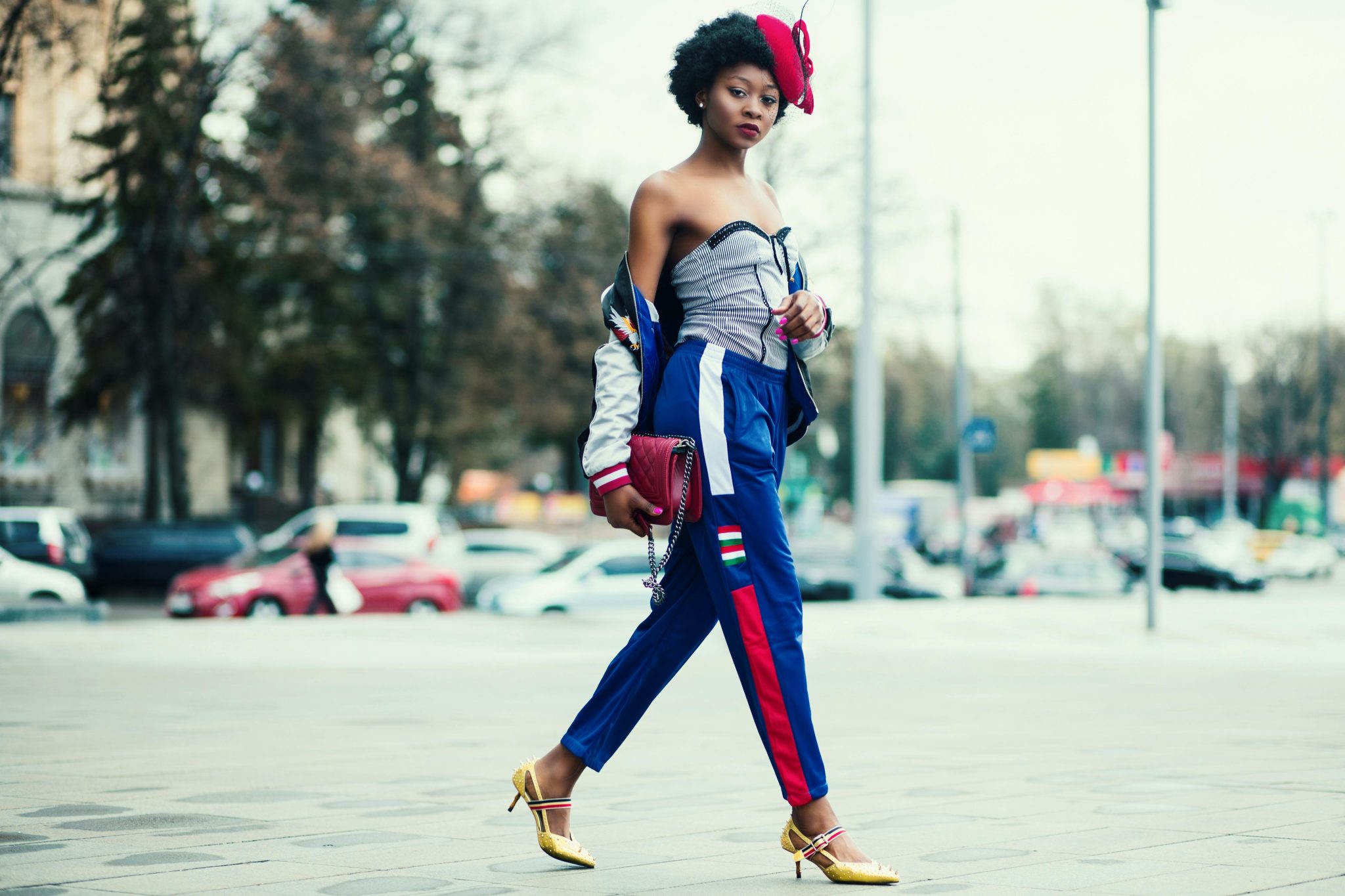
Introduction: Why Outfit Styling Ranges Matter
Have you ever felt unsure about what to wear to different events? Maybe you’ve wondered how to switch from a casual day look to something more formal for the evening. “From Relaxed to Refined: Your Complete Casual to Formal Outfit Styling Guide” is here to help you navigate through various dress codes with ease. This guide is crucial especially when you need to make a good impression, or simply wish to express yourself appropriately across different settings.
Why This Matters
Understanding how to style outfits from casual to formal is more than just a fashion statement. It affects how you’re perceived in social and professional settings. A well-styled outfit can boost your confidence, show respect to your host or audience, and even open doors to new opportunities. This knowledge ensures you’re never underdressed or overdressed, just perfectly appropriate.
Detailed Explanation of Outfit Styling Categories
Casual Outfits
- Definition and Occasions: Casual wear is all about comfort and personal expression. It’s suitable for everyday activities like shopping, casual get-togethers, or a coffee date.
- Key Pieces: Jeans, T-shirts, casual sneakers, and hoodies.
Business Casual
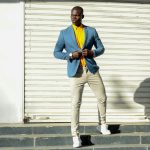
- Definition and Occasions: A notch above casual, this style is often required in professional but semi-informal settings, like a creative office or a business lunch.
- Key Pieces: Chinos, blouses, polos, loafers, and blazers without ties.
Business Formal
- Definition and Occasions: This dress code calls for a more polished and professional look, common in traditional business environments.
- Key Pieces: Business suits, dress shirts, pencil skirts, dress shoes, and conservative ties.
Cocktail
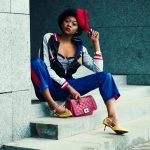
- Definition and Occasions: Cocktail attire is fun yet formal, typically worn at parties or evening social events.
- Key Pieces: Cocktail dresses, dressy separates, statement accessories, and stylish shoes.
Black Tie
- Definition and Occasions: This is a very formal dress code for events like galas or formal weddings.
- Key Pieces: Evening gowns, tuxedos, formal shoes, and elegant jewelry.
Expert-Based Advice
Fashion experts like those from Vogue and GQ recommend building a versatile wardrobe that includes key pieces from each category. This allows for mixing and matching according to the occasion’s requirements. Always invest in good quality basics that fit you well, as they are the foundation of any polished outfit.
Common Questions and Misconceptions
- Question: Can I wear jeans to a business casual event?
- Answer: Yes, but opt for darker, well-fitting jeans paired with a blazer or a smart blouse.
- Mistake: Wearing flashy colors in a business formal setting.
- Correction: Stick to neutral colors to maintain a professional appearance.
Practical Tips & Actionable Advice
- Checklist before purchasing: Fit, comfort, appropriateness, versatility.
- Best practices: Always have a blazer and a pair of polished shoes; they can elevate any outfit.
- Do’s: Tailor your clothes for the best fit.
- Don’ts: Avoid overly casual footwear like flip-flops in semi-formal settings.
Conclusion: Take the Next Step in Your Fashion Journey
Now that you’re equipped with the basics of moving “From Relaxed to Refined,” start evaluating your wardrobe. Mix new purchases with existing clothes to cover all bases without breaking the bank. Remember, dressing appropriately not only respects the occasion but also showcases your personality and professionalism. Keep exploring styles and combinations to find what works best for you, and most importantly, have fun with fashion!